Optimal Timing for Well Flow Testings
Understanding the optimal timing for Well Flow Testings is crucial for accurate assessment of well performance. Proper scheduling ensures reliable data collection, reduces operational costs, and minimizes disruption to well operations. Typically, testing is most effective during stable production periods or after operational adjustments to gauge true well capacity.
Conduct Well Flow Testings when the well is in a steady production phase to obtain consistent and representative data.
Testing after modifications or maintenance helps evaluate the impact of changes on flow rates and well efficiency.
Perform tests prior to drilling new zones to understand existing well performance and inform drilling decisions.
Schedule testing during periods of minimal seasonal variation to avoid fluctuations caused by environmental factors.
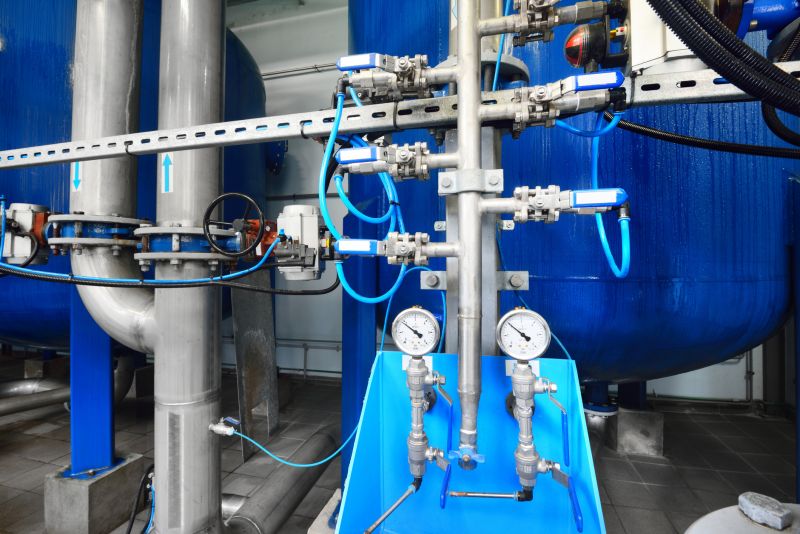
Proper setup ensures accurate flow measurement during testing procedures.
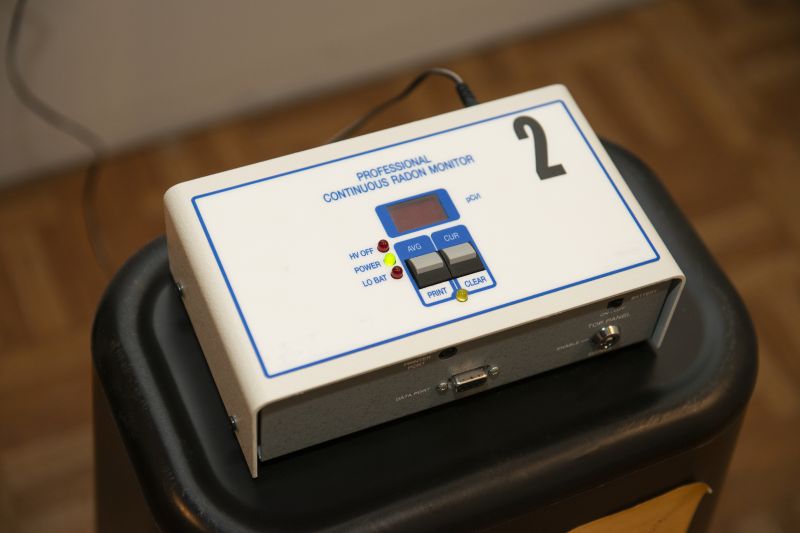
Continuous monitoring during testing captures real-time flow variations.

Precise data collection is essential for evaluating well performance.

Analyzing test results helps identify potential issues and optimize operations.
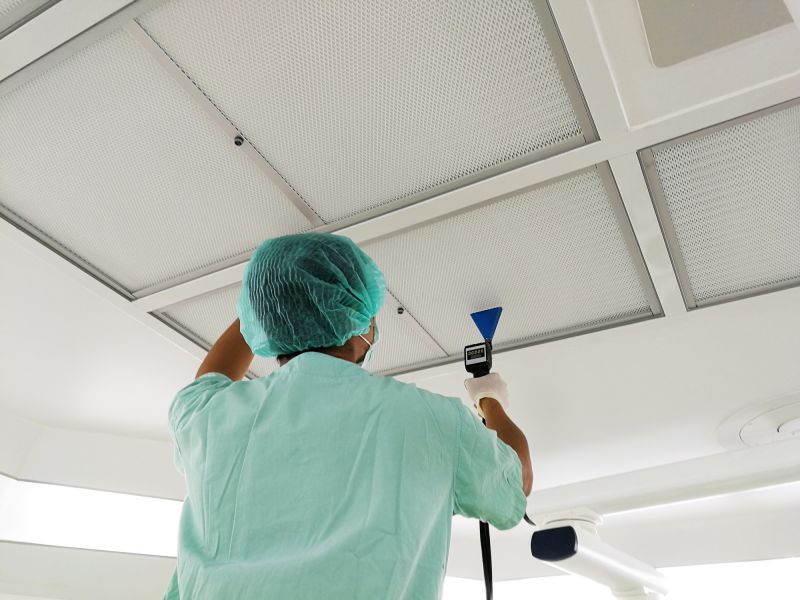
Weather and environmental factors can influence test accuracy and should be considered.
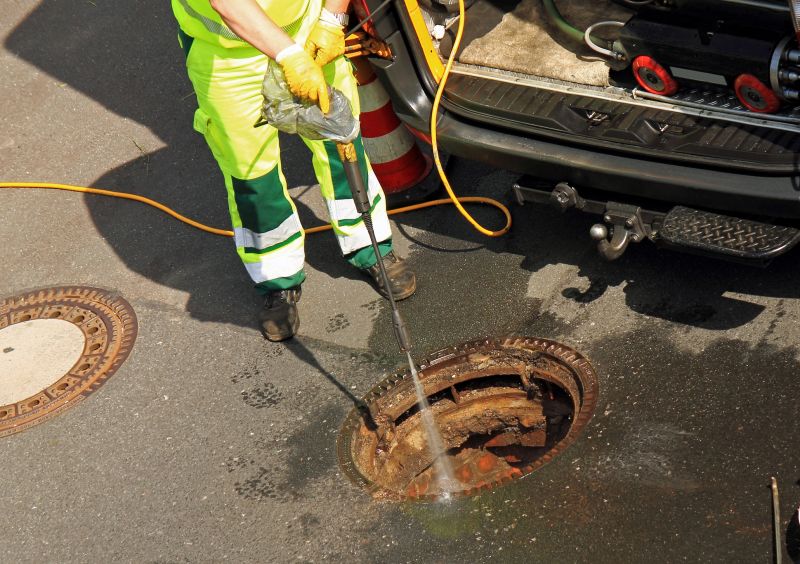
Wellbore integrity and cleanliness impact flow testing results.
| Timing Aspect | Details |
|---|---|
| Production Stability | Ideal during consistent production periods for reliable data. |
| Operational Changes | Post-maintenance or modification testing provides performance insights. |
| Seasonal Timing | Avoid testing during extreme weather or seasonal variations. |
| Pre-Production | Baseline assessments before full-scale operation. |
| Post-Drilling | Evaluate well performance after drilling new zones. |
| Environmental Factors | Consider weather and environmental conditions. |
| Well Integrity | Ensure wellbore condition is suitable for testing. |
| Regulatory Compliance | Schedule according to regulatory requirements and approvals. |
Well Flow Testings are essential procedures for assessing the productivity and health of a well. They involve measuring flow rates, pressure, and other parameters to determine the well's capacity and operational efficiency. Accurate testing can identify potential issues, optimize production strategies, and inform maintenance schedules. Proper timing enhances the reliability of test results, ensuring that data reflects the well's true performance under typical operating conditions.
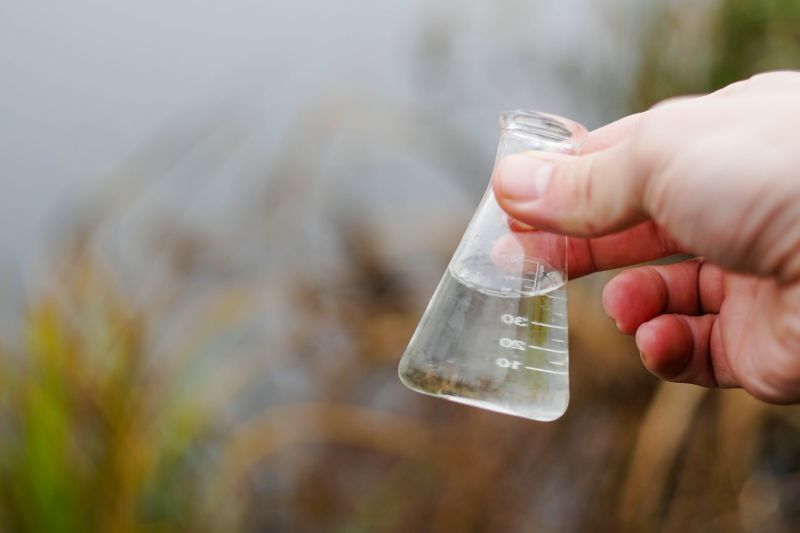
Utilize specialized equipment to accurately record flow rates during testing.
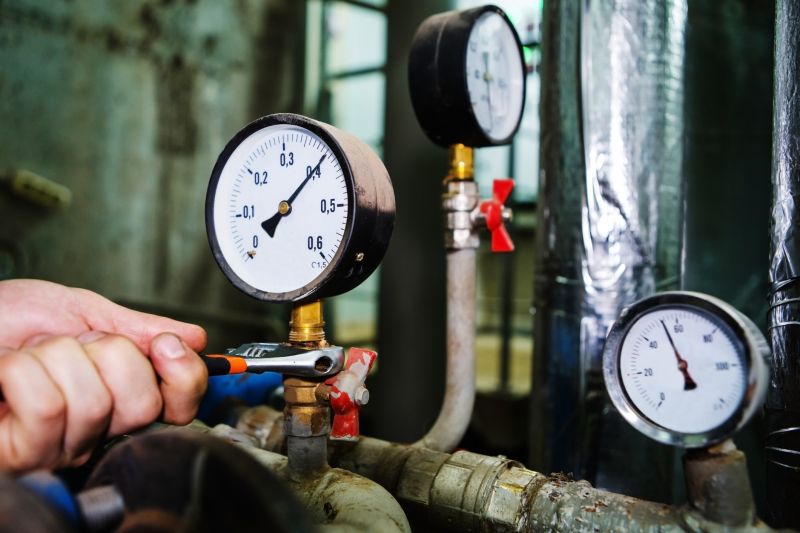
Monitoring pressure helps assess reservoir performance and well integrity.
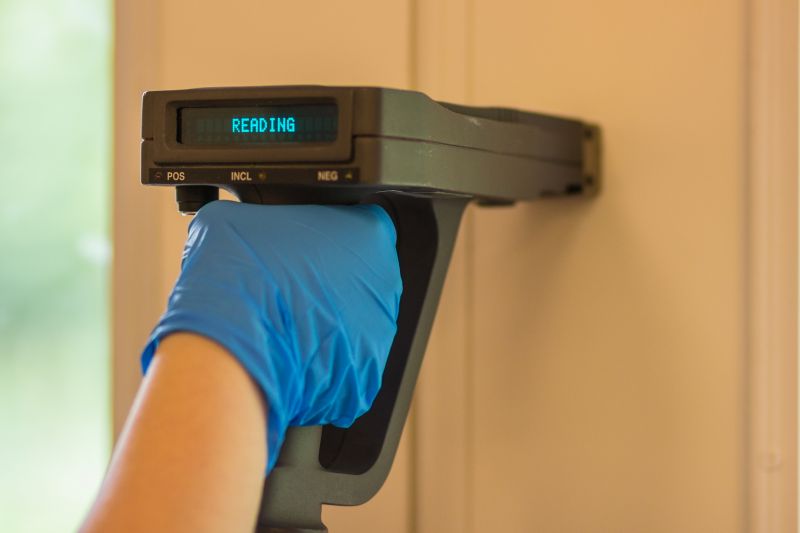
Advanced tools facilitate interpretation of test data for decision-making.

Ensuring safety protocols during testing minimizes risk and ensures data accuracy.
Scheduling Well Flow Testings at appropriate times is vital for obtaining precise data that supports effective well management. Proper timing reduces operational costs, prevents unnecessary downtime, and contributes to long-term well performance optimization. Engaging with experienced professionals ensures tests are conducted under optimal conditions, providing valuable insights into well productivity and health.
Interested in scheduling Well Flow Testings? Fill out the contact form to receive more information and assistance tailored to specific well requirements.